
Its True History and How to Use One Safely
By Medium Jozette - Ext. 892421
Estimated Read Time: 8 Minutes
Key Takeaways
- The Ouija board isn't ancient. A group of Baltimore businessmen patented it in 1891, riding the wave of the Spiritualist movement.
- The popular "oui plus ja" story isn't how it got its name. Legend says the board named itself, and a medium's locket may have been the real source.
- Science explains the moving planchette through the ideomotor effect, tiny movements we make without realizing it. Many people believe the board can also open a door to Spirit.
- Whatever you believe, respect matters: set a clear intention, stay in charge, and always close the board when you're done.
Picture it. A sleepover, the lights off, a candle flickering on the carpet, and three or four friends leaning over a board with their fingertips resting on a little heart-shaped pointer. Someone whispers, "Is anyone here?" Everyone swears they aren't pushing. For a lot of us, that's our first brush with the Ouija board, and the memory sticks around for years.
I grew up with a slightly different version of that scene. My mother was the warm, open-hearted mom of the neighborhood, the one who would sit on the floor with all the kids and call out the spirits. Talking with a Spirit Guide was simply part of everyday life in our house, so I've never thought of the unseen as something to fear. I've learned to treat it with respect, though.
That's what this guide is about. The Ouija board is part toy, part history lesson, and for many people, part spiritual tool. I'll walk you through where it really came from (the true story is stranger than the myths), what science says about why the planchette moves, and how to use one with care if you choose to. Whatever you believe is happening when that pointer starts to slide, the way you approach it matters.
Whether your questions are about love, a career crossroads, a loved one who has passed, or simply feeling stuck, our gifted advisors can help you find real answers. Connect with a spiritual psychic today.
Where the Ouija Board Really Came From
Despite stories about ancient talking boards, the Ouija board is an American invention, and a fairly recent one. Its roots go back to the Spiritualist movement, which took off in 1848 when two young sisters in upstate New York, Kate and Maggie Fox, claimed they could communicate with a spirit through mysterious knocks. Within a few years, séances had become a popular pastime, and people wanted a faster way to "talk" with the other side than waiting for raps on a table.
That's where the board comes in. In 1890, Baltimore businessman Charles Kennard gathered a group of investors, including local attorney Elijah Bond, and founded the Kennard Novelty Company to make and sell talking boards. Bond filed the patent, and it was granted on February 10, 1891. Soon, the boards were advertised as "Ouija, the Wonderful Talking Board," and by 1892 the company had grown from one factory to seven, spread across Baltimore, New York, Chicago, and London.
How the Ouija Board Got Its Name
You may have heard that "Ouija" combines the French and German words for yes, oui and ja. It's a tidy story, and the one most people know, but history tells a different one. According to the founders' own account, Bond's sister-in-law, Helen Peters, a respected medium, asked the board what it wanted to be called. The planchette spelled out O-U-I-J-A, and when she asked what that meant, it answered, "Good luck."
There's a more down-to-earth wrinkle, too. Peters was reportedly wearing a locket that day with a picture of a woman and a name beneath it. Some historians believe the woman was the popular novelist Maria Louise Ramée, who wrote as "Ouida," and that the name was simply misread. Either way, it stuck.
Peters also helped the board win its patent. As the story goes, the patent officer insisted on a demonstration and asked the board to spell out his name, which Bond and Peters supposedly didn't know. When it did, the patent went through. Bond was a patent attorney so he may have known the man's name all along. I'll let you decide.
From Parlor Game to Horror Icon
For its first decades, the Ouija board was mostly a family parlor game, a lighthearted way to pass an evening. William Fuld, an early employee, eventually took over production and became Ouija's face for years. He even said the board told him to build a new factory in Baltimore. In 1927, he died after a fall from that factory's roof, a story that only deepened the board's mystique.
Sales tended to rise in uncertain times, during World War I, the Great Depression, and other stretches when people longed to hear from loved ones or wanted reassurance about the future. In 1966, the Fuld family sold the business to Parker Brothers, and the next year the board sold about two million copies, outselling even Monopoly. Hasbro bought Parker Brothers in 1991 and still makes the board today.
So how did a family game become the stuff of nightmares? Much of that shift traces back to The Exorcist. The 1971 novel and 1973 film showed a young girl playing with a talking board before her terrifying ordeal begins, and the Ouija board has been a horror-movie favorite ever since. That's a big reason so many sleepover sessions ended with someone too scared to turn off the light.
Does a Ouija Board Really Work?
Here's where I'll be honest with you, because I'd rather you trust me than simply agree with me. Scientists have a well-studied explanation for why the planchette moves: the ideomotor effect. Our muscles tend to make tiny movements we don't consciously choose, guided by our thoughts and expectations.
Physician William Carpenter named it in 1852, and scientist Michael Faraday tested the idea in 1853 while studying "table turning," a séance craze of the day. He found that sitters were moving the tables themselves without realizing it. That's why everyone around a board can swear they aren't pushing and be telling the truth.
As a medium, I don't think that explanation ends the conversation, though. I think it tells us something important: whatever comes through a board comes through you. Your mood, your fears, and your intentions are part of every session. Many people believe a board can also open a door to Spirit, and in my experience, energy follows intention. A frightened, mocking, or careless session feels very different from a calm, respectful one.
So whether the planchette is moved by Spirit, by your own subconscious, or a little of both, the same advice holds. Come to it with respect and a clear head, and you'll have a better experience either way.
Ouija Myths vs. What We Know
| The Common Belief | What We Actually Know |
|---|---|
| The Ouija board is ancient. | It was patented in 1891 in Baltimore, during the Spiritualist craze. |
| "Ouija" means "yes, yes" in French and German. | The founders said the board named itself and that the word meant "good luck." A medium's locket may be the real source. |
| Parker Brothers invented it. | The Kennard Novelty Company made the first boards. Parker Brothers bought the business in 1966, and Hasbro makes it today. |
| The planchette moves on its own. | Science points to the ideomotor effect: small movements sitters make without realizing it. Many believers feel Spirit can work through it too. |
| Ouija boards are always dangerous. | Opinions differ. Most spiritual practitioners agree that your mood, intention, and boundaries shape the experience. |
How to Use a Ouija Board With Care
If you decide to try one, here's how I'd approach it.
Set a calm, respectful mood. Dim the lights, light a candle if you like, and silence your phones so everyone can focus. Use the board only with people you trust, and only when you're sober. Some people place a photo or meaningful object nearby when hoping to reach a particular loved one. If that feels right to you, keep it gentle.
Open with intention. Before you begin, take a breath together and say a simple intention out loud, something like, "We welcome only loving, positive energy." Many people also say a short prayer or picture white light surrounding the group. It sets the tone for everyone at the table.
Be patient and polite. Rest your fingertips lightly on the planchette and let it move. Nothing may happen at first, or at all, and that's fine. Start with simple questions and give the board time. Skip questions designed to frighten, like "When will I die?" Answers like that can stay in your head long after the candles are out, and they deserve no weight. Take everything the board spells out with a grain of salt.
Stay in charge. You are part of the session, not just a passenger. If messages turn crude, cruel, or threatening, or if anyone at the table feels uneasy, don't argue with it. Simply slide the planchette to "Goodbye" and end the session. Calm and firm is enough.
Close the board every time. When you're finished, thank whoever or whatever you believe you've been speaking with, move the planchette to "Goodbye," and then put the board away. Many people see this as closing a door you opened, and even skeptics find it gives the evening a clean ending.
When to Put the Board Away
A Ouija board isn't the right tool for every moment. If you're in fresh grief and aching to hear from someone you've lost, a board can leave you more unsettled than comforted, especially if the messages are confusing or cold. Many people find that loved ones in spirit reach out in gentler, more personal ways, and you can learn to recognize those signs.
The same goes if you're feeling anxious, low, or easily frightened, or if an earlier session left you shaken. There's no shame in deciding a board isn't for you. And if fear, grief, or trouble sleeping lingers after a session, talk it through with someone you trust. A counselor or doctor can help too, and reaching out is a sign of strength.
If what you really want is connection, there are softer doors to knock on. You can speak to your Guardian Angel in quiet moments, or work with a medium who can bring messages through with care and context in Medium Reading. That's a big part of what I do, and my goal is always to replace fear with understanding.
A Final Word
The Ouija board has lived many lives: a Gilded Age novelty, a family game, a horror-movie villain, and for some, a sincere way to reach out. Its true story is part business deal, part legend, and part mystery, which may be exactly why we still can't resist it.
If you choose to sit down with one, go in with respect, a clear head, and people you trust. Set your intention, stay in charge, and close the game when you're done. And remember, whatever is moving that little pointer, the most important energy at the table is yours.
Missing someone who has passed, or sensing a presence you can't explain? Let me gently tune in and help you understand what's coming through. Reach me, Medium Jozette, at Ext. 892421.
Frequently Asked Questions
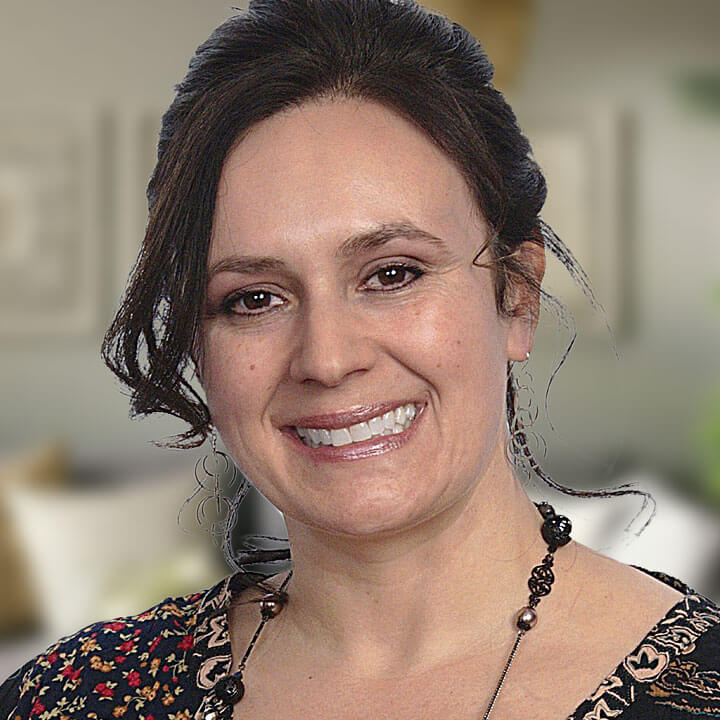
I'm Medium Jozette, and I've lived with Spirit for as long as I can remember. I work mainly through clairsentience, the gift of feeling, along with clairvoyance and remote viewing to bring through the details and guidance you're seeking. With over 30 years of experience and more than 60,000 readings, I've helped people find clarity, protection, and peace, both in person and at a distance. I'd be honored to help you next.
Looking for a deeper connection to your higher self? A Spiritual Reading is the perfect place to start. Life can get noisy, making it hard to hear your own intuition or the gentle nudges from your guides. Our expert advisors tune out the static and offer a positive, confidential space to explore your soul's true purpose. Learn more about how our authentic readings work, read real testimonials, and explore our Spiritual Readings and Angels & Spirits articles to continue your journey.
About AskNow: For more than 23 years, AskNow has connected millions with trusted, vetted psychics for live readings by phone and chat. Every advisor clears a demanding screening process, and fewer than 2% of applicants are accepted, so the guidance you receive comes from genuinely gifted readers. Every reading is backed by our satisfaction guarantee. If your session doesn't provide meaningful insight, we'll make it right with a one-time refund up to ten minutes, good toward a reading with another advisor. Available 24/7, our psychics specialize in love and relationships, career guidance, finance, and spiritual growth, delivering compassionate readings whenever you need clarity most. Learn more at AskNow.com.


