Holiday Articles
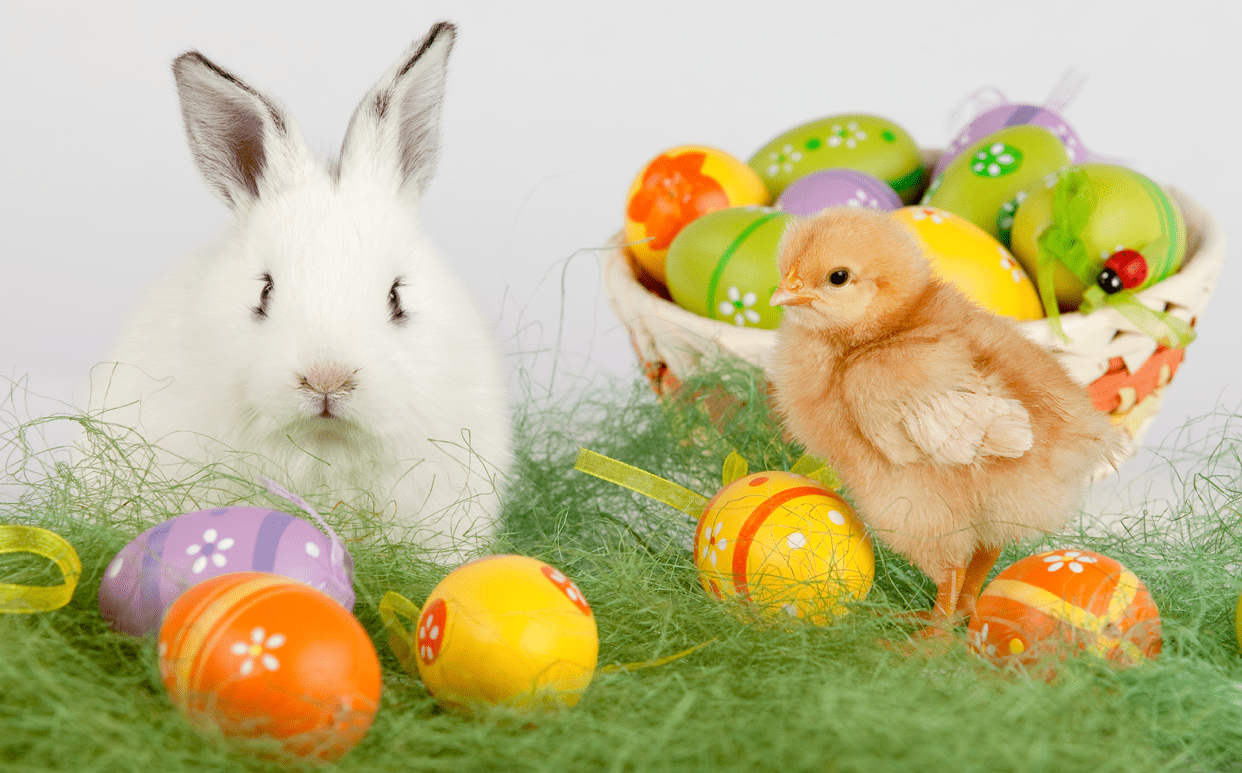
Ancient Origins of Easter
Dyed eggs, colorful baskets, beautiful lilies, and the one-and-only Easter bunny—these are some of the most cherished symbols for the traditional Christian holiday that millions celebrate today. Spring would not be the same without its Easter egg hunts, hidden candy treasures, and bright pastel colors! Easter, as we know it in the US, Europe, and other places throughout the modern world, is the honoring of the resurrection of Jesus Christ from the dead as told by the New Testament. However, most scholars including Biblical scholars, all agree that Easter has pagan roots.
The word Easter is of Anglo-Saxon origin.“Ēostre” and other interpretations such as “Ostara", “Austra", and “Eastre”, is the pagan goddess of spring and is celebrated as a symbol of fertility and rebirth in the pagan custom. Ēostre celebrations take place during the Spring Equinox on March 21st of each year, the day when the light is equal to the darkness. From this day on, the amount of light in each passing day will continue to grow. Due to the fact Ēostre represents lightness overcoming darkness, many scholars draw the parallel between her and the resurrection of Jesus Christ, when the radiant dawn was restored in the Christian view. Not only is this a matter of lightness and darkness in a physical sense, but also the understanding and belief that life will always overcome death.
How do eggs and bunnies fit into all of this? Many depictions of Ēostre will feature her with a hare, a symbol of fertility and renewal, which is an obvious root for the modern day Easter bunny. According to an old Germanic pagan legend, it is said that Ēostre healed a wounded bird by turning it into a hare. Since the animal was still partially a bird, it laid eggs as thanks for a second chance at life. Representing new life and fertility, the egg as a symbol for Easter and the coming of spring has spanned through the ages.
The custom of coloring and eating eggs dates back to ancient Persian and Egyptian practices for their very own celebrations of the coming of Spring. In ancient Egypt, an egg symbolized the sun, while for the ancient Babylonians, the egg represented the hatching of the Venus Ishtar, who fell from heaven into the Euphrates. There is no doubt that the egg will persist to be a symbol of fertility and life—the roundness of them being the perfect depiction of the circle of life itself.
Whether you celebrate the holiday by commemorating the resurrection of Jesus Christ, or celebrate it as a time for you and your family to enjoy and give thanks to the coming of Spring, Easter still continue to symbolize the spirit of rebirth, renewal, and new beginnings. It has represented the coming of life and harvest for thousands of years and will continue to for thousands more!
Related Articles

The Energy You Bring to Family Gatherings: How to Shift the Vibration and Protect Your Peace
Dreading family drama? Learn how to shift the energy you bring to family gatherings. Discover…

Single for the Holidays? Why This Is Your Most Powerful Time to Manifest Love
Single for the holidays? This is actually a powerful time to manifest love. Learn spiritual…

Virtual Holidays: Finding Magic in Digital Celebrations
After three decades of helping people navigate life's most meaningful moments, I've learned…